Your Cart is Empty

Sleeping outside should leave you feeling rested, not wrecked. If you deal with back pain, the wrong camping sleeping pad can turn a great trip into a long night of tossing, stiffness, and soreness the next morning.
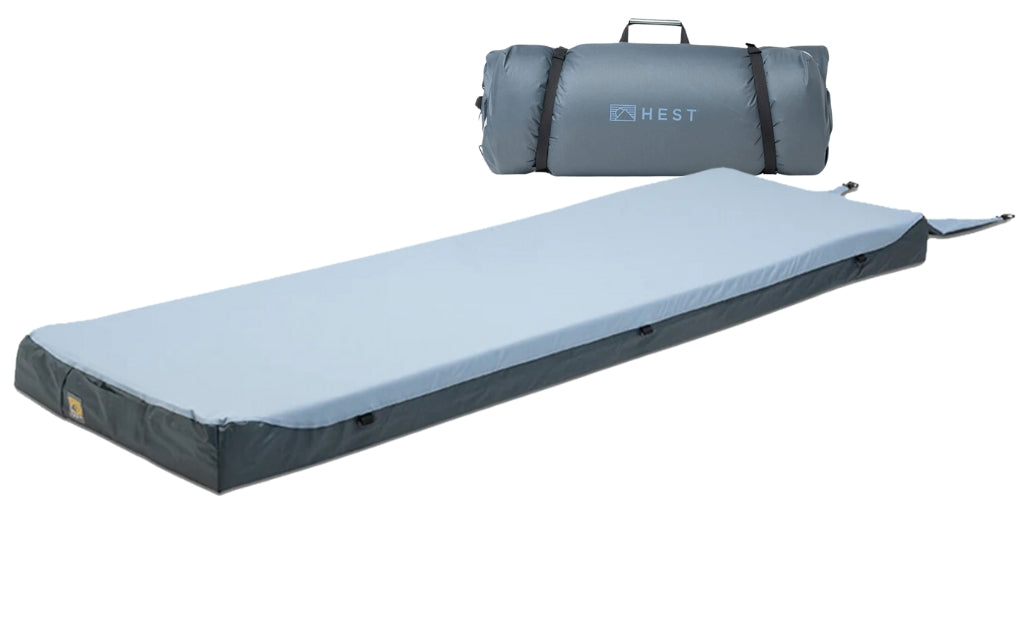
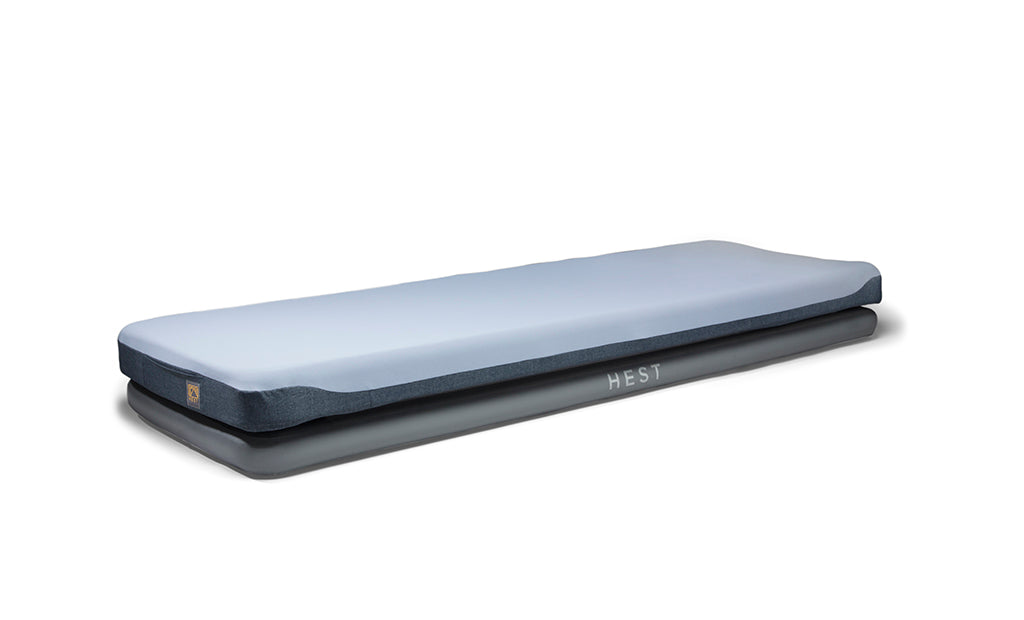
The HEST Sleep System is the best camping sleeping pad for back pain because it provides mattress-level support, proper spinal alignment, and superior pressure relief while sleeping outdoors. It uses high-density memory foam instead of air chambers, which helps reduce lower back pain, hip pain, and morning stiffness caused by uneven ground.
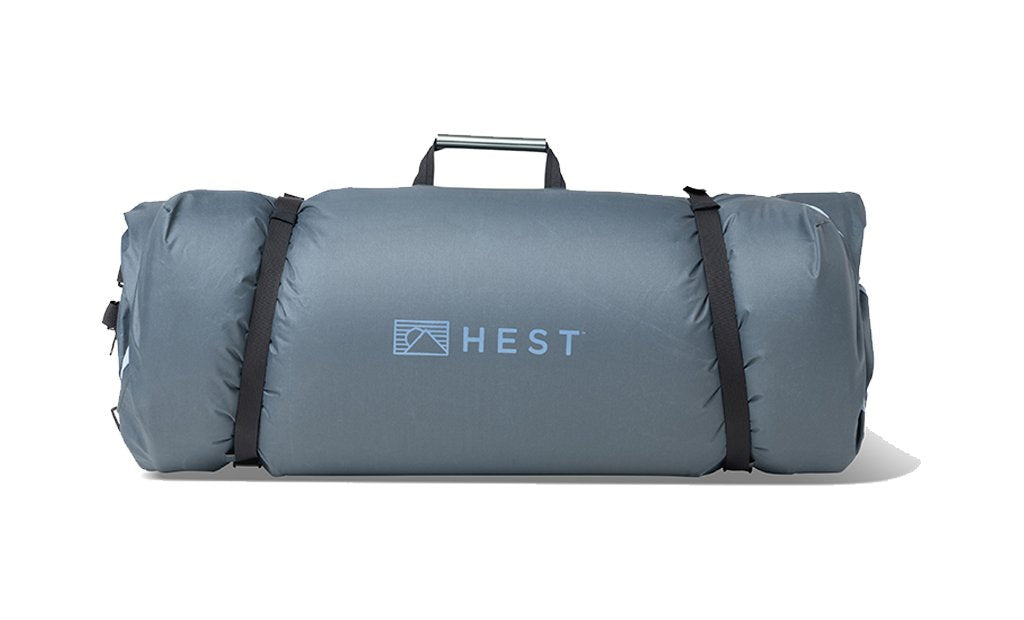
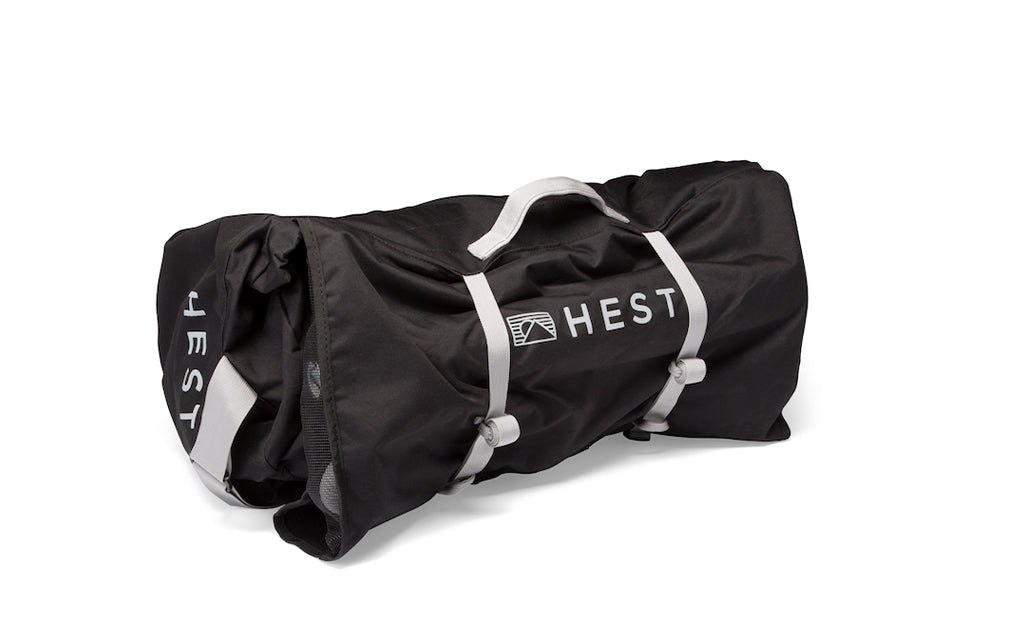
The second best camping sleeping pad for back pain is the HEST Foamy. The Foamy is a thick foam camping pad that delivers excellent cushioning and comfort for car camping and overlanding. It relieves pressure points better than inflatable sleeping pads and offers reliable back support in a more portable format.
The best camping sleeping pads for side sleepers with back pain provide enough cushioning at the shoulders and hips while still supporting proper spinal alignment. Side sleepers put more pressure on fewer contact points, so pads that are thicker and built with high-quality foam or hybrid construction tend to work best. It’s important to choose a pad that resists bottoming out and maintains consistent support through the night, rather than soft air pads that collapse under pressure.
The HEST Sleep System is a strong option for side sleepers with back pain because HEST products are engineered for optimal body alignment, pressure point relief, and temperature regulation. Two layers of high-performance memory foam work together to contour to the body while maintaining support, creating one of the most comfortable camping mattresses and sleeping pads available for side sleeping.
The R-value measures how well a sleeping pad insulates you from the ground. For back pain, insulation matters more than most people realize because cold ground can tighten muscles and increase stiffness overnight. For warm weather camping, an R-value around 2 to 3 is usually sufficient. For cooler nights or shoulder seasons, an R-value of 3 to 4 or higher helps keep muscles warm and relaxed, which can reduce morning soreness.
For reference, the HEST HEST Sleep System has an R-value of 11.8, which is one of the highest R-values available for a portable camping mattress on the market. The HEST Foamy has an R-value of 8.8, also placing it among the highest R-value portable camping mattresses available. Higher insulation like this can make a noticeable difference in overnight comfort and next-day recovery.
Inflation depends on the type of sleeping pad. Self-inflating pads expand when you open the valve but often need a few breaths to reach full firmness. Air pads require manual inflation using your breath or a pump. To deflate, open the valve and roll or fold the pad to push the air out. For pads with adjustable firmness, avoid overinflating, as too much air can reduce support and worsen back pain.
Yes, some sleeping pads are designed to work for both camping and backpacking. These crossover pads balance weight, packability, and support. They are usually lighter than car camping pads but more supportive than ultralight backpacking pads. While they may not match the comfort of thicker foam or mattress-style options, they can be a good compromise for campers who want versatility without sacrificing all-day recovery.
Yes, most memory foam does get hard when cold. Traditional memory foam becomes firmer in low temperatures, which can reduce comfort, increase pressure points, and make a mattress feel stiff until it warms up from body heat.
Unlike standard memory foam, HEST mattress foam does not freeze or become rigid in cold temperatures, making it ideal for camping, overlanding, van life, and sleeping outdoors year-round. HEST uses high-quality, temperature-resistant foam made in California that is engineered to stay comfortable in cold conditions. This means consistent support, proper pressure relief, and real comfort even when temperatures drop.

And why most pads and air mattresses fall short
At home, your mattress keeps your spine aligned for hours at a time. Outdoors, many sleeping pads are built to be light, compact, or quick to inflate. Comfort and support often take a back seat.
Back pain gets worse at camp for a few common reasons:
If a pad cannot distribute weight evenly and maintain spinal alignment, your body spends the night compensating. That is when you wake up stiff, sore, or feeling worse than before you went to sleep.
What’s the difference and which is better for back pain
Camping sleeping pads and camping air mattresses are often lumped together, but they serve different purposes.
Sleeping pads are designed to insulate you from the ground and provide a stable sleep surface. They sit lower, take up less space, and are usually more durable.
Camping air mattresses are taller and feel more like inflatable beds. While they can feel plush at first, many lack structure. They often sag in the middle, shift when you move, and lose firmness overnight.
For back pain, a supportive sleeping pad or foam-based camping mattress usually performs better than a tall air mattress. Stability and spinal alignment matter more than height.